Veronica Mwale/Oxfam in SAF
Climate Justice for Communities in Malawi
Supporting communities in Malawi to respond to climate change, recover from climate-related loss and damage, and build resilient futures.
Veronica Mwale/Oxfam in SAF
What is climate justice?
Climate justice recognises the inequality of the climate crisis and that those most affected by climate change are often the least responsible for causing it. Climate justice seeks to hold countries, corporations, and people driving the climate crisis responsible for the damage they are causing.
Malawi contributes only a tiny fraction of global greenhouse gas emissions, yet communities face increasingly severe climate impacts. Climate justice is about ensuring that people have the resources, support and power they need to respond to those challenges and build safer, fairer futures.
Miriam's story: rebuilding after Cyclone Freddy
When Cyclone Freddy hit southern Malawi, it changed Miriam Chizombe's life overnight.
The floods destroyed the irrigation scheme her community depended on for food and income. Families lost crops, livelihoods and their ability to provide for their households. Many survived on casual labour and humanitarian assistance as they struggled to recover.
Then support arrived through the Climate Just Communities project.
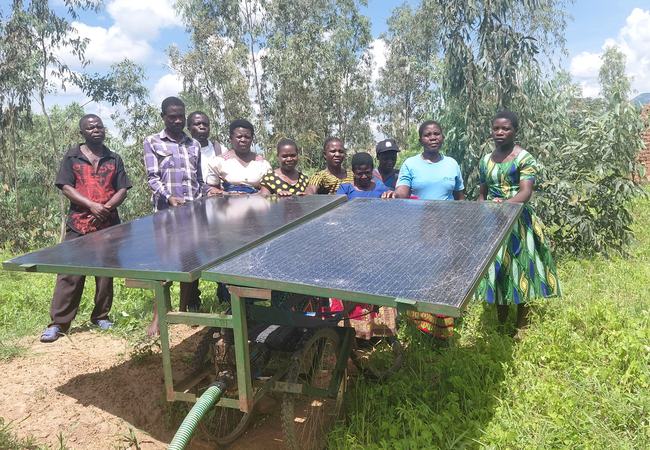
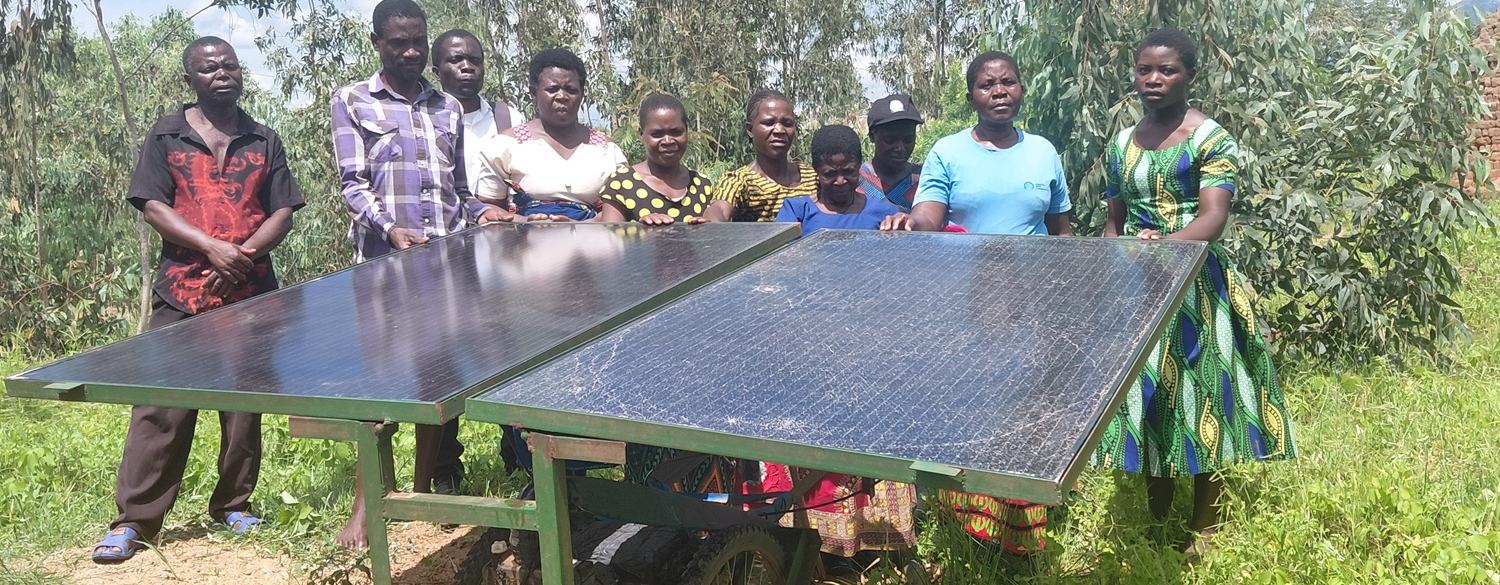
Working with local partners, the programme helped establish a greenhouse, install solar-powered irrigation, provide farming inputs and improve access to water for farming. These investments are helping families grow food throughout the year and rebuild their livelihoods after disaster.
For Miriam, the impact has been transformational.
"Before this support, we had nothing after the floods. Today, I can grow food, support my children’s education, and help others in my group. I feel hopeful again and confident that my family will not sleep hungry."
Today, Miriam is farming again, earning an income and helping to create a more secure future for her family.
Young people leading climate action
“Through the club, we learn how we can take part to prevent disasters by planting trees, and growing vegetables at home as part of having food at home even when disasters strike. We eat some and our parents sell the rest to support our needs.”
Gribeta Mkandawire, a member of the club.
Protecting forests, creating livelihoods
Veronica Mwale/Oxfam in SAF
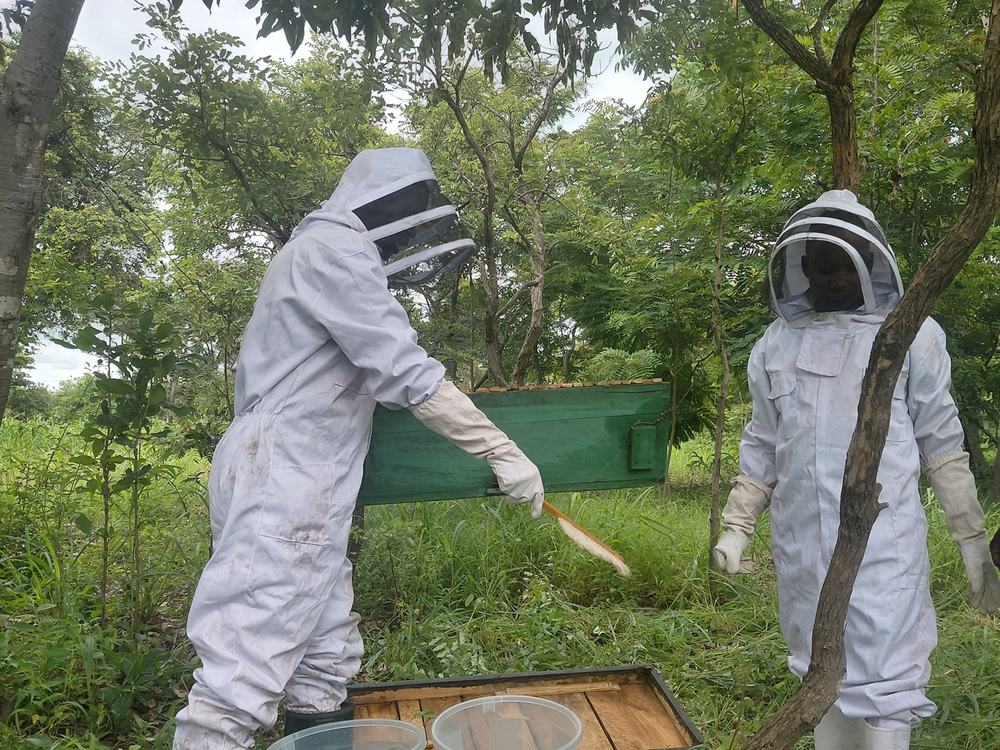
Khewa Forest Management members demonstrate how they harvest honey from beehives provided through the project. It's an initiative that boosts income while safeguarding the environment.
A better start for children
Veronica Mwale/Oxfam in SAF
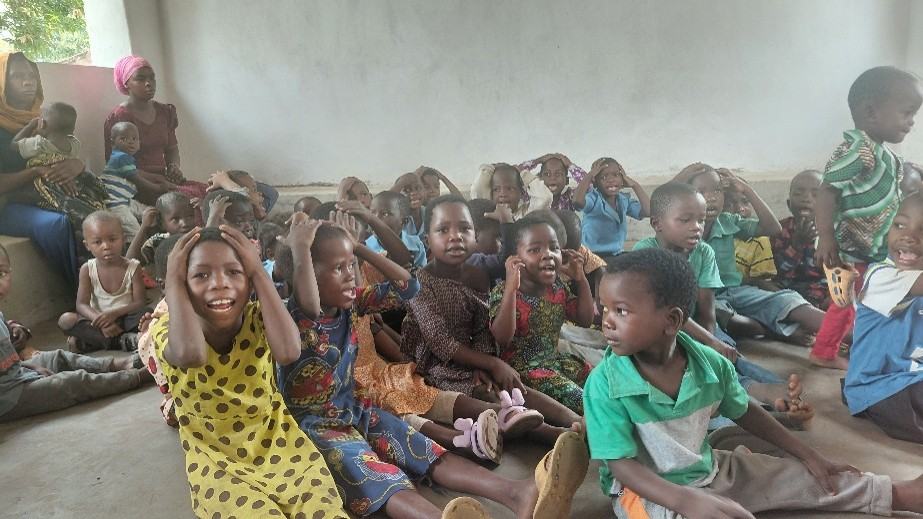
Young learners aged 2–5 enjoy lessons in the new ECD centre, replacing the previous grass‑thatched structure that was repeatedly damaged by climate shocks.
Why Scotland's support matters
This work in Malawi is supported by the Scottish Government's Climate Justice Fund, which recognises that the inequality of the climate crisis and that those who have contributed least to climate change are often the people experiencing its most severe impacts.
By supporting community-led solutions in Malawi, Scotland is helping people adapt to climate change, recover from climate-related disasters and build more resilient futures.

This project is funded by the Scottish Government