The research found that more than half of Scots (51%) regret at least one clothing purchase from the past year. The water wasted on new clothing that people in Scotland regret could provide a day’s supply of drinking water for 80% of the global population.
Meanwhile, almost half of Scots (47%) say they have worn an item of clothing just once. The water hidden in those barely worn new garments would fill 8 billion single-use bottles; enough for every person in Scotland to drink a bottle of water every day for 4 years.
The findings come as rivers across Scotland recently reached record low levels and parts of England and Wales faced drought conditions, bringing renewed attention to the value of precious water resources.
The poll of 1,001 adults across Scotland, carried out by Censuswide on behalf of Oxfam Scotland, suggests throwaway fashion habits remain commonplace despite growing awareness of their environmental impact.
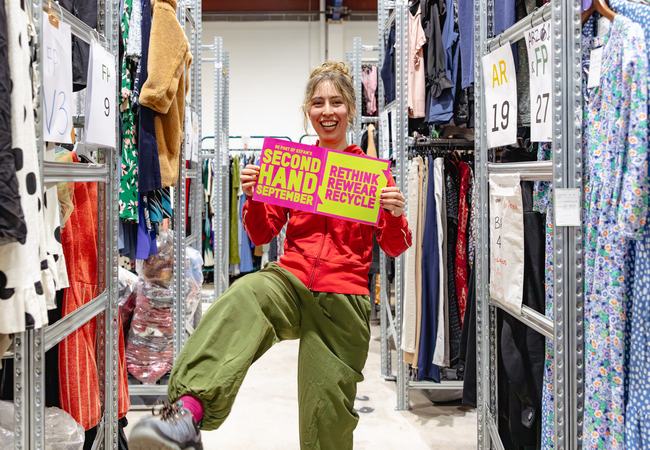
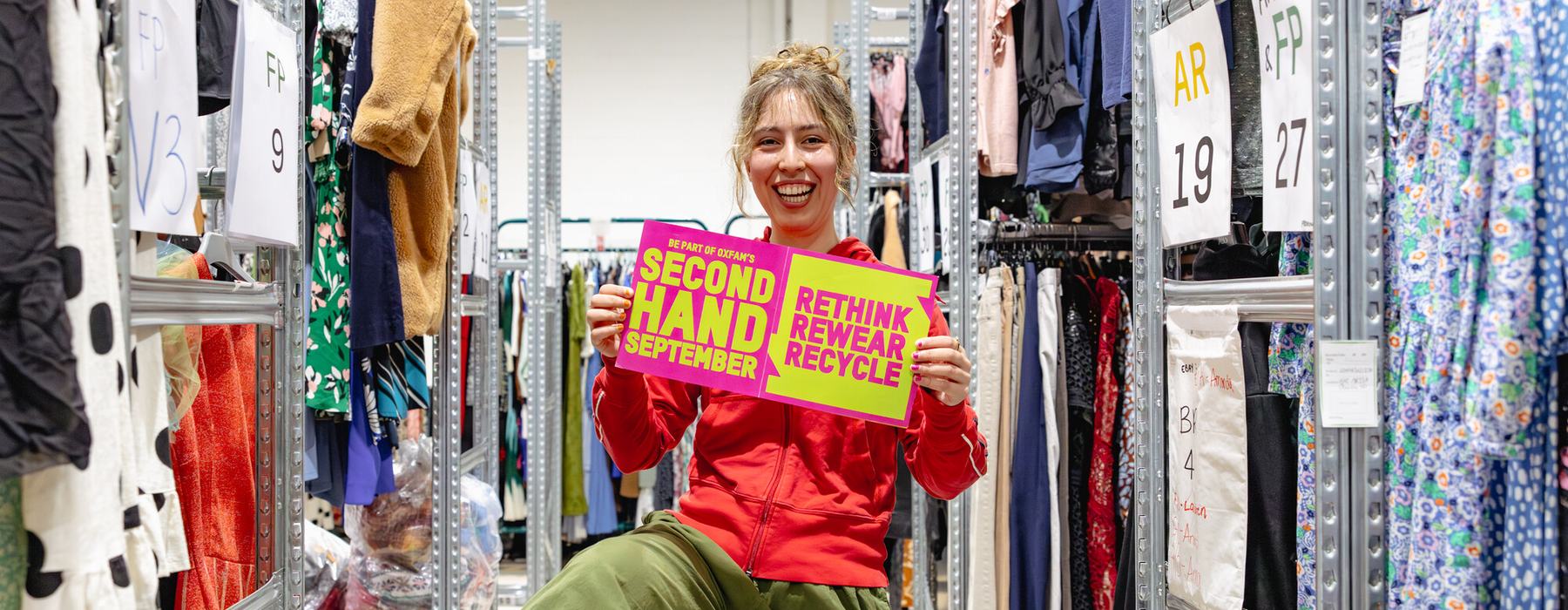
The polling has been released as Oxfam launches its new report, The State of Style 2026 to mark the beginning of Second Hand September, its annual campaign encouraging people to buy second hand, keep clothes in use for longer and reduce waste.
The report explores how online pressure to constantly buy new is negatively reshaping the UK's relationship with fashion, highlighting growing concerns about impulse buying, unworn clothing and the environmental impact of a culture that encourages people to keep buying new clothes they don’t need.
The environmental cost of these habits is significant. Across the UK, clothing bought each year is linked to around eight billion cubic metres of water use, enough to meet the UK's water needs for two years or fill Loch Ness. Producing a single pair of jeans requires around 16,000 litres of water: enough to meet the drinking needs of 4,750 people for a day
Despite the scale of waste revealed by the polling, many Scots are already trying to change their shopping habits. Nearly two-thirds (61%) say they have deliberately tried to buy less new clothing in the past year, while almost three-quarters (72%) donate unwanted clothes to charity shops.
However, the research suggests many people continue to struggle against the pull of fast fashion and pressure to update their wardrobes with brand new purchases.
Young Scots appear to be at the forefront of that tension. While they are among those most likely to buy clothing for a specific occasion and never wear it again, they are also leading the shift towards more conscious shopping habits. Seven in ten (70%) 18 to 24-year-olds have deliberately tried to buy less new clothing over the past year, while two-thirds (66%) buy second-hand clothes.
Yet many Gen Z continue to find it difficult to break old habits. Half of those who attempted to buy fewer new clothes said they had not succeeded, while 60% of young Scots regretted buying between one and three items of clothing in the past year.
The wider Scottish polling suggests digital influences are increasingly shaping shopping habits, particularly for young people, with more than four in ten (43%) of 18 to 24-year-olds say algorithms influence the clothes they buy, compared with one-quarter (25%) of Scots overall. More than a third (38%) of Scots say they have bought clothing because it appeared in an app feed or recommendation, rising to almost three-quarters (72%) of Gen Z respondents. Nearly half (46%) have purchased clothing they were not actively looking for after seeing it online, including through social media and shopping platforms.
These decisions are often made quickly, with almost one-third (32%) of Scots spending less than ten minutes deciding whether to buy a new item of clothing.
The findings come as Scotland's consumption emissions have risen for the second year in a row, highlighting the growing impact of the products people buy and use. Campaigners say reducing waste and keeping clothes in use for longer through reuse, repair and second-hand shopping will be vital if Scotland is to cut its overall carbon footprint.
Katherine May, Head of Oxfam Scotland, said: "With drought warnings making headlines and rivers across Scotland recently running low, these figures should make us stop and think about the hidden cost of our clothes that doesn’t show up on the receipt.
"It's shocking that enough water to supply 90,000 people for life is tied up in clothes that weren't even worn last year. Every unworn item of clothing has a climate and human cost we can’t afford. Buying second-hand, renting, re-wearing and mending is better for our pocket and our planet.
“Too many of us are stuck on a hamster wheel of buying something new, wearing it a handful of times and moving on to the next thing. Second Hand September is all about breaking that cycle and reminding us that the most sustainable clothes are often the ones already hanging in our wardrobes or waiting to be discovered in a charity shop."
The polling suggests many young Scots are already embracing habits that challenge throwaway fashion culture.
Seven in ten (70%) 18-24-year-olds say they are happy to repeat outfits, while more than half (53%) mix second-hand and new clothing. Four in ten (40%) have repaired, altered or upcycled clothing in the past year.
Cost remains the leading driver of second-hand shopping. Across Scotland, price and affordability are the biggest influences on clothing choices, cited by 51% of respondents. Among people who shop second-hand, the most common reason is that it is cheaper than buying new.
The findings come as organisations across Scotland call for greater action to tackle textile waste and support a more circular economy, where products are kept in use for longer through reuse, repair and resale.
Becky Kenton-Lake, Circular Economy Policy Officer, Circular Communities Scotland, said: “At a time when fast fashion encourages us to treat clothing as disposable, it's more important than ever to make choosing second-hand and repairing clothes as easy and accessible as buying new. The Circular Economy Act means we have a commitment in legislation to move beyond simply managing waste and instead focus on preventing it. Ministers should use the powers available to them to set ambitious circular economy targets, stop businesses disposing of unsold goods, and ensure everyone is able to access reuse and repair services locally.
"Building a circular economy isn't just good for the environment. It would help to create local jobs, save households money at a time when many budgets remain under pressure, and breathe new life into our high streets."