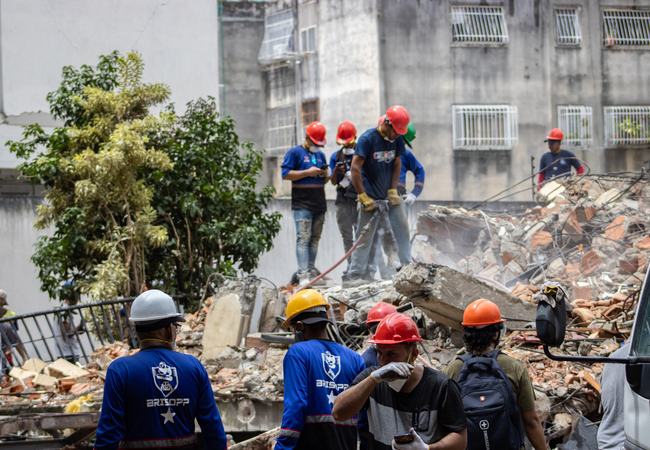
What Margarita describes is not just the terror of the moment the earthquakes hit Venezuela last week but feeling that lingers long after. “The fear remains,” she says, “it stays for a long time. And the fundamental need is to feel that we are safe.”
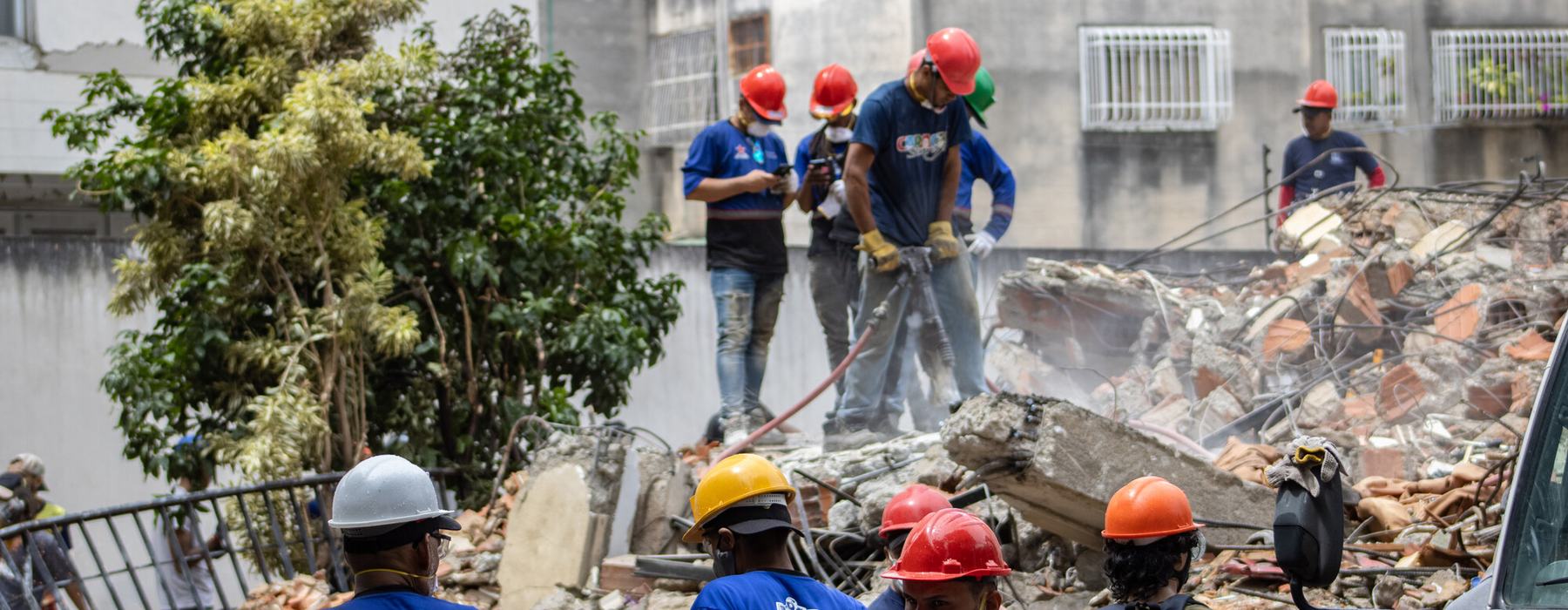
Two powerful earthquakes, striking seconds apart, have devastated communities across Venezuela. Buildings that stood for generations were reduced to rubble in minutes. More than 1,400 people have been killed, tens of thousands are missing, and millions have been affected. For a country already grappling with deep poverty and limited access to essential services, this disaster has compounded an already severe humanitarian crisis.
At Oxfam, we know that in emergencies like this, speed and coordination save lives. Our local partners have been assessing urgent needs as they look to provide life-saving support - clean water where systems have collapsed, sanitation and hygiene supplies to prevent disease and psychosocial support to help people like Margarita cope with trauma.
Because the impact of disasters goes far beyond the immediate destruction. When homes are lost, when access to healthcare disappears, when water supplies fail, the risks multiply, especially for the most vulnerable. Women, children, older people and people with disabilities face heightened dangers. Protection, dignity and mental wellbeing are as vital as food and shelter in the days and weeks ahead.
But no single organisation can meet needs on this scale alone. That’s why Oxfam has joined with fellow agencies through the Disasters Emergency Committee (DEC) to launch a national appeal.
The DEC brings together 15 of the UK’s leading humanitarian charities, including Oxfam, the British Red Cross, Save the Children and others, to respond quickly and effectively to major disasters overseas. By launching joint appeals, the DEC ensures aid agencies can work together, reduce duplication, and reach more people, faster. It also gives the public a trusted way to donate, knowing their contributions are being used where they are most urgently needed.
Scotland has a proud tradition of responding with compassion and generosity when crises strike around the world. Time and again, people across the country have dug deep to support those they may never meet, whether through donating to emergency appeals, fundraising in their communities, or backing humanitarian action led by Scottish organisations and partners. It is a quiet but powerful expression of solidarity: a recognition that when lives are upended by disaster, humanity extends far beyond borders.
That spirit has already been reflected in the Scottish Government’s commitment of £250,000 through its Humanitarian Emergency Fund.
That leadership matters. Government funding helps kickstart the response, but it is public generosity that helps sustain it. In moments like these, it is the combination of political commitment and individual action that determines how many lives can be saved, and how quickly recovery can begin.
Importantly, every donation made to the DEC appeal will go even further thanks to the UK Government’s UK Aid Match scheme. For a limited period, all public donations will be matched pound-for-pound, up to £2 million. In simple terms, that means a £10 donation becomes £20, doubling the clean water delivered, the shelter provided, the food distributed. It is a powerful way to ensure that public compassion translates into maximum, life-saving support on the ground.