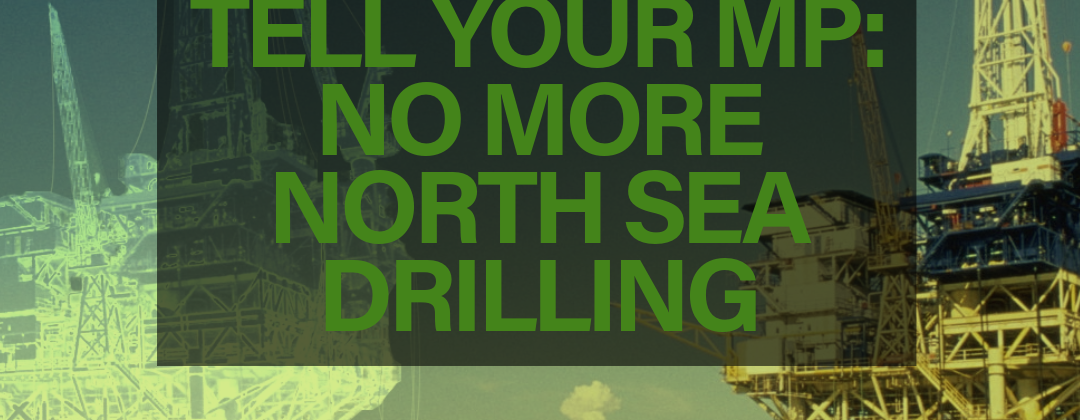
Rosebank alone is estimated to produce 254 million tonnes of carbon dioxide equivalent over its lifetime. Around 90% of its reserves are oil, with the majority expected to be sold into international markets where prices are set globally.
Campaigners say this means Rosebank would do nothing to lower household energy bills, and would provide little benefit for UK energy security, while locking the UK into further fossil fuel dependence.
Oxfam says the move away from oil and gas must be managed fairly, with North Sea workers and communities at the heart of the transition. Campaigners warn that the decline of the North Sea industry is already underway, and that the best way to protect workers and communities is not to delay that change, but to invest now in the industries of the future and support people to move into good, green, secure jobs.
Katherine May, Head of Oxfam Scotland, said: “We’re seeing raging wildfires, record-breaking temperatures and devastating droughts around the world. Against that backdrop, approving Jackdaw and Rosebank could be deadly and the consequences could reverberate for generations to come.
“More drilling is being presented as a cure for high energy bills, but it’s the wrong medicine. It would leave us even more dependent on the volatile global fossil fuel markets that have already pushed up costs. The real answer is investment in affordable renewable energy and a fair transition that supports workers and communities.
“Rosebank is a defining test of the UK Government’s climate credibility. The Scottish Government must also be willing to stand up for what it knows is right, however politically difficult, or risk leaving a lasting stain on its own climate record.”
Dr Robertson said: “The effects of climate change are already harming your health. If we don’t act now to tackle the underlying cause, burning fossil fuels, more of us will experience significant climate-related ill health in the future.
“The heatwaves we have experienced this summer have made emergency departments across the country busier than in the depths of winter. There were an estimated 2877 excess deaths related to heat in May and June in the UK alone, with patients suffering heart attacks, strokes and flares of asthma and COPD. The heat has also caused operations to be cancelled and MRI scanners to fail. Staff have had to endure overheated working conditions, putting their own health at risk.
“By acting now to ensure that fossil fuels remain in the ground and ensuring a just and swift societal decarbonisation, we can protect our health now and reduce the impacts in the future.”
Oxfam is calling for:
- An end to new oil and gas licences and projects in the North Sea.
- A properly funded just transition plan, developed with workers and communities, to ensure people who have powered the UK for decades are supported into the secure green jobs of the future.
- Faster investment in renewable energy to deliver cheaper, cleaner and more secure power.
- A permanent excess profits tax on fossil fuel companies once the current Energy Profits Levy ends, ensuring polluters pay their fair share towards climate action.
Suzi Shingler, Campaign Manager at StopRosebank added: "As wildfires tear through the UK and Europe, the last thing this government should be doing is approving a massive new oil field that will pour more fuel on the fire.
"The case for Rosebank's approval has completely collapsed. It won't lower bills, it won't deliver meaningful energy security and - once drilled - Rosebank's oil will belong to private companies and sold overseas. What it will do is lock in decades more climate pollution while oil giants pocket the profits.
"This is a defining test for Burnham's government. It can turn a blind eye to the destruction caused by fires and cave into the Trumpian fossil fuel lobby, or show real leadership by finally rejecting Rosebank and backing the clean energy future that people across Britain need."
/ENDS
For more information and interviews, please contact: Rebecca Lozza, Media and Communications Adviser, Oxfam Scotland: rlozza1@oxfam.org.uk / 07917738450
Notes to Editors
Full Methodology Note available here.