That commitment is an important step towards building public trust that climate action in Scotland will be pursued in truly fair ways.
But the real test isn’t whether a private jet tax exists on paper. It’s how tough it is, how fast it arrives, and whether Ministers hold their nerve when powerful interests try to water it down.
Within hours of the announcement, industry figures were warning that the new tax “masked a potential tax hike that will affect millions of Scots”. This is scaremongering. Ministers were clear that rates will be frozen in the first year after the switch from the existing UK-wide Air Passenger Duty.
While ADT could be used in future to make those who fly the most pay more, there is no sudden hit on families, no stealth tax on people visiting relatives, no overnight price hike on holidays.
We cannot allow vested interests to delay or dilute this change and, as a result, to politically poison progress towards a fair tax on high-polluting private jets.
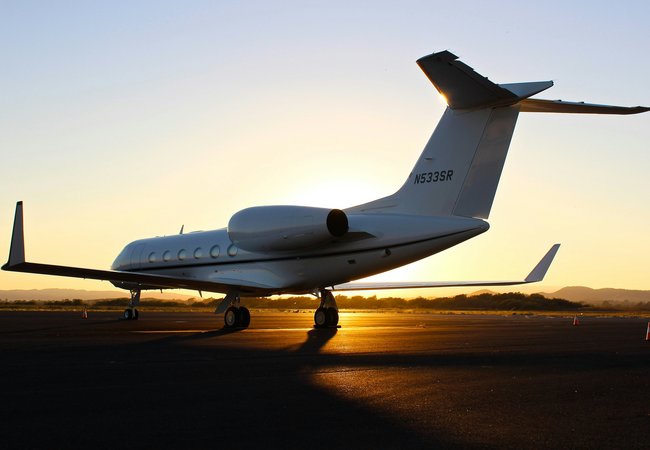
After all, these are not just another mode of transport. Per passenger, private jets produce 20 to 30 times more carbon than economy flights. Many fly routes where direct commercial alternatives, or indeed rail routes, already exist. Others fly half or totally empty, in preparation for pick-ups. This is not necessity; it is luxury with an outsized climate cost.
Oxfam Scotland’s analysis of flight data shows that in just the first ten months of last year, more than 10,500 private jet flights took off or landed at Scottish airports, over a thousand flights every single month.
Aviation accounts for around 15% of emissions from transport, Scotland’s highest emitting sector, yet there is no proper plan to curb demand. Until now, private jets barely featured in the conversation at all.
Waiting until 2028 to introduce a private jet tax, as the current Scottish Government plans to do, risks two things: losing out on extra cash we badly need for fair climate action and giving industry lobbyists time to hollow the policy out.
The climate crisis won’t wait, and politicians shouldn’t either: before the Scottish election all parties must commit to implementing the private jet tax and ADT simultaneously.
Crucially, it should also be set high enough to matter: at least ten times the current higher band of Air Passenger Duty. In practical terms, based on current rates, that would mean a passenger flying privately from Edinburgh to London paying £840 instead of £84. Hardly excessive: chartering a private jet can cost nearly £9,000 an hour.
A key reason that the switch to ADT has taken so long is the Scottish Government’s legitimate desire to protect lifeline routes from the Highlands and Islands. But their planned exemption must not let private jets off the hook. The ‘private jet supplement’ must apply to all those wealthy enough to avoid queues, skip terminals and burn extraordinary amounts of fuel for personal convenience.
Will some of them still fly by private jet? Probably. And if they all do, Scotland could raise close to £30 million a year – potentially £150 million over the next Parliament. That is not small change. It could, for example, help ensure we all have access to cheaper and greener public transport or help communities already dealing with climate damage.
But if this new tax instead results in fewer private jets criss-crossing Scotland’s skies, then emissions go down, benefiting all of us. That’s a win too.
Either way, the idea that this fair measure will somehow damage Scotland’s economy doesn’t stand up. A tougher tax will not suddenly make Scotland inaccessible.
The real economic threat is climate chaos left unchecked. Flooded homes in Brechin. Wildfires in the Borders. Power cuts, disrupted supply chains, rising food prices. Those costs land on all of us, and they dwarf any imagined loss from a handful of ultra-wealthy visitors choosing a different destination.
This is, at heart, about fairness. While most people are encouraged to recycle more and drive less, a tiny elite are pumping out pollution at astonishing rates. Oxfam analysis shows that the private jets of just 23 of the UK’s richest people on average emit more carbon in little over a day than the average person in Scotland does in an entire year. It’s impossible to justify, and politically dangerous to ignore.
A tough, fast private jet tax is not radical. It’s common sense. And it will signal that Scotland will stand up to vested interests that have polluted our politics and delayed climate action for far too long.
This Scottish Government has taken an important first step. But whoever forms the next one must prove they have the backbone to follow through.
This article originally appeared in The National.