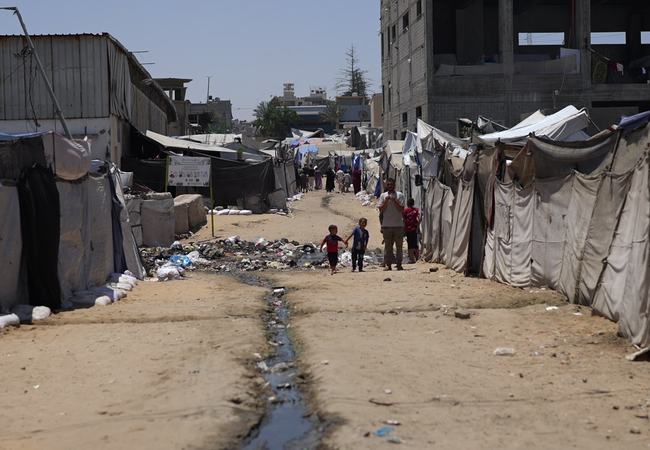
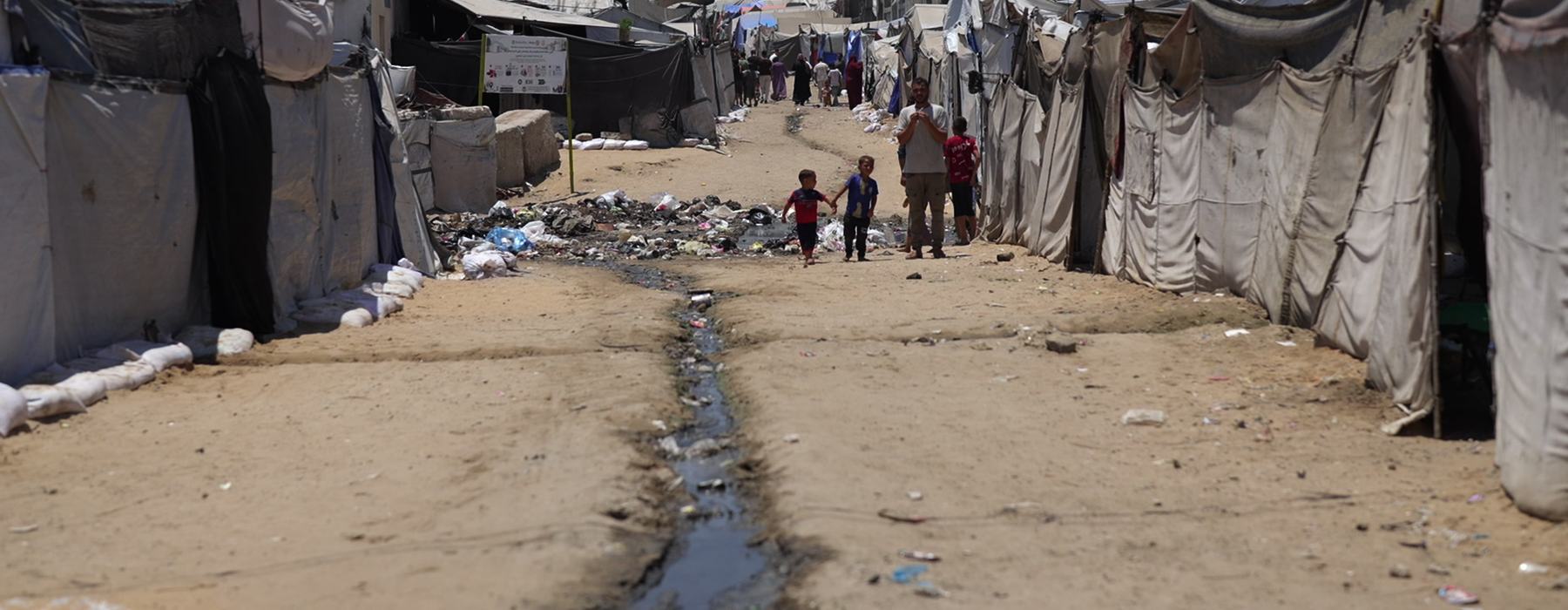
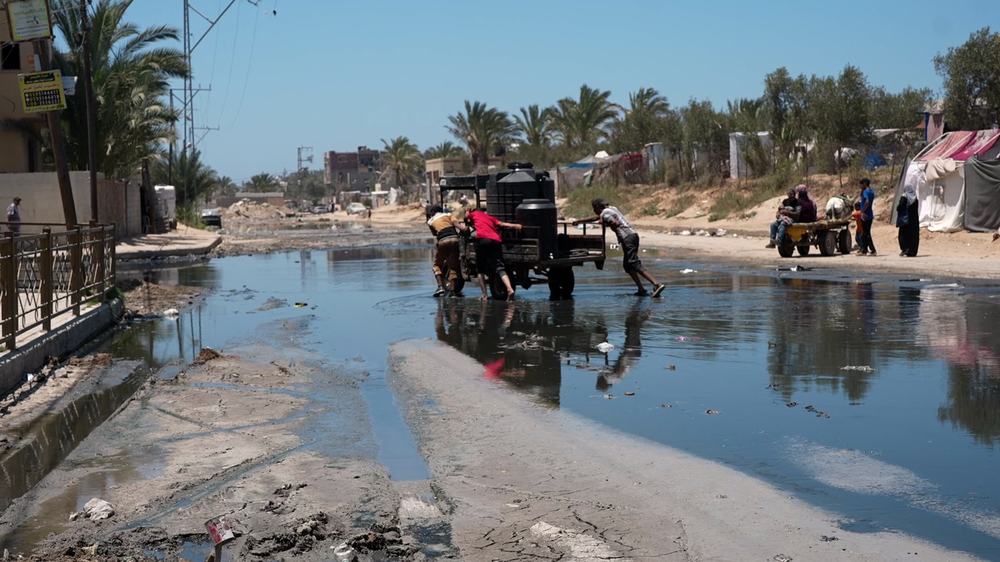
The frightening reality is that this contamination cannot simply be avoided. People are being exposed through the air they breathe, the water they drink and the food they eat.
The report warns that exposure to environmental contaminants could increase the risk of respiratory illnesses, cancers, developmental disorders and other long-term health impacts. Children and pregnant women are among those most vulnerable.
This is not simply environmental damage. It is damage to the conditions that make human life possible: clean water, healthy soil and safe food systems.
The scale of the crisis is difficult to comprehend. Raw sewage is now flooding the environment, contaminating land and water, and pouring untreated into the sea.
The world's political attention often focuses on bringing conflicts to an end. Of course it should. Every life lost is a tragedy.
But who is talking about the environmental impacts of conflict?
Who is talking about the child who develops health problems years from now because the water was contaminated during wartime?
Who is talking about communities left to rebuild their homes on a toxic wasteland?
And who is talking about accountability and the fact that the Israeli authorities are still blocking access for environmental experts and assessment teams, who would collect and safely export samples for independent laboratory analysis? Without which, critical data on the contaminants - where they are located, how are they are moving through the environment, who is being exposed – is unknown.
The UK Government knows what is happening in Gaza. The evidence has accumulated for years. Evidence brings responsibilities. The UK must comply with international law and use its influence and leverage with the Israeli government, to ensure it allows full access for an environmental assessment of Gaza while reconstruction begins. And Palestinians themselves must lead this process.
It must also use every lever available to help bring an end to the genocide in Gaza, ensure aid can reach those who need it, and end all arms sales and military support to Israel where there is a risk that they will be used to commit serious violations of international law.
But responsibility does not stop at Westminster.
Here in Scotland, Ministers rightly speak about human rights, international justice and global solidarity. Moments such as this test whether those commitments are matched by action.
While foreign policy remains reserved, the Scottish Government is not powerless. Ministers should be relentless in calling for accountability, compliance with international law and an end to UK arms sales that risk contributing to further suffering in Gaza.
They should also ensure Scotland's own institutions meet the highest standards of transparency and human rights scrutiny.
Recent concerns raised over transparency surrounding public support for arms companies through Scottish Enterprise deserve serious attention. The public should not be expected to simply accept assurances when legitimate questions are being asked about how human rights risks are assessed. Trust requires openness, scrutiny and accountability.
Gaza must be rebuilt. But rebuilding is not simply replacing concrete. It’s restoring the conditions that allow people to live healthy, dignified lives.
Lasting recovery cannot be designed in foreign capitals and imposed from above. Gaza's future cannot be decided without Palestinians in the driving seat.
Justice means accountability. It means an end to the policies and practices that have enabled this destruction. And it means recognising the right of Palestinians to rebuild their own society on their own terms.
The children growing up in Gaza today have already lost enough.
They should not also inherit the ruins of war and a contaminated homeland.
This article originally appeared in The National.