As wildfires in Scotland continue to burn, Scottish rivers reach record lows and the Met Office warns of the extreme weather becoming the “new normal”, new Oxfam analysis shows the world's biggest oil companies are on course for bumper profits while the emissions they produce are fuelling the heatwaves across Britain and elsewhere.
The world’s six biggest fossil fuel corporations are expected to nearly double their combined net income in the second quarter of 2026, jumping from $23 billion in the previous quarter to $45 billion, reveals Oxfam analysis ahead of their earnings announcements.
The projected full-year profits of BP, Chevron, Eni, ExxonMobil, Shell and TotalEnergies amount to $147 billion, more than their combined profits over the previous 21 months (Q2 2024 to Q4 2025). Among the biggest winners, Chevron is expected to report that it has quadrupled its profits to $1,200 a second in the last three months, while ExxonMobil’s profits are expected to have tripled to $1,800 a second.
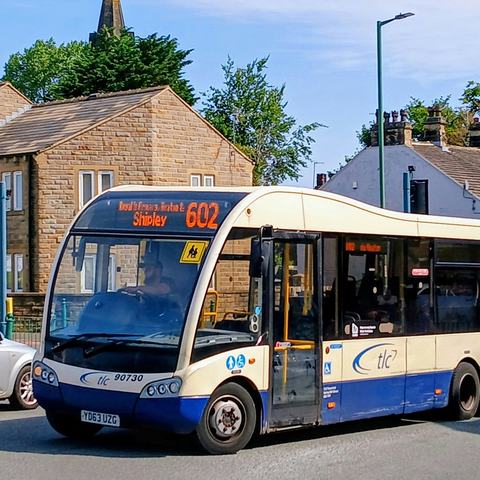
Prime Minister Andy Burnham announced a bus fare cap in England from 2027 which Oxfam welcomes as it will help with lowering living costs while incentivising emission reduction. However, this will be funded by redirecting over £400 million previously earmarked for international climate support, converting it from grants into repayable loans. This will increase the debt burden for communities in countries such as South Sudan and Somalia, who are already dealing with climate chaos.
Instead, Oxfam has calculated that just four days of BP and Shell's combined Q2 2026 profits would be enough to cover the £400 million bus fare cap subsidy which will come from international climate finance.
Oil and gas corporations share an outsized responsibility for the climate crisis. New Oxfam analysis of academic data published in Nature finds that the emissions from BP, Chevron, ExxonMobil, Shell and TotalEnergies were sufficient to cause around 1 in 4 heatwaves reported globally between 2000 and 2023 – heatwaves that would have been virtually impossible without human-made climate change. Using S&P Capital Trucost data, Oxfam estimates that Big Oil was responsible for $60 billion in environmental damage last year.
Katherine May, Oxfam Scotland Advocacy Adviser, said: “It’s utterly galling that while families sweat through heatwaves face rising food prices, and worry about paying their bills, the key culprits of climate chaos continue to cash in.
“In less time than it takes to boil a kettle, fossil fuel giants have pocketed more money than many people earn in a month.
“The Prime Minister says he wants to ease pressure on household budgets. If he's serious about that, he should start by making the biggest and richest polluters pay their fair share.
“The Scottish Government continues to say any new projects must pass climate compatibility tests, but it can't keep outsourcing its climate conscience to UK Ministers. The science is already clear: expanding fossil fuel production is incompatible with our climate goals and will do nothing to bring down household bills. Scottish Ministers should have the courage to say so and make that case directly to the Prime Minister.”
Oxfam is calling on the new Prime Minister Andy Burnham to end new oil and gas licensing in the North Sea. Campaigners say approving new projects is incompatible with the UK’s climate commitments and will do nothing to bring down bills. Oxfam is also calling on Scottish Ministers to unequivocally condemn any expansion of North Sea drilling.
/ENDS
For more information and interviews, please contact: Rebecca Lozza, Media and Communications Adviser, Oxfam Scotland: rlozza1@oxfam.org.uk / 07917738450
Notes to Editors
Oxfam’s research is based on S&P Capital IQ’s consensus estimates compiled from financial analysts’ forecasts. The six largest fossil fuel corporations are due to publish their second-quarter earnings over the coming week. The projected surge in profits reflects the sharp rise in oil prices following the unlawful US and Israel war against Iran.
Download Oxfam’s methodology note.
Read Oxfam’s comprehensive investigation “Big Oil profits expected to double as the world burns”. Get the latest insights, data and investigations on global inequality through the Equals podcast and newsletter.
Analysis of peer reviewed data finds that, of the 213 heatwaves recorded between 2000 and 2023, 55 would have been virtually impossible without human-induced climate change. The historical emissions of Chevron, BP, ExxonMobil, Shell, and TotalEnergies (data for Eni not available) were, on their own, enough to cross the threshold that made nearly all those heatwaves over 10,000 times more likely (50 heatwaves for TotalEnergies, 51 for the four others). This means that the emissions of any of those five corporations were enough, on their own, to cause around 1 in 4 of the heatwaves.
Countries in Europe reported over 10,000 excess deaths during the extreme heatwaves in June. Heatwaves are also killing tens of thousands of people in India. Dozens of people drowned, hundreds had to be rescued and thousands were displaced when floods struck the coasts of west Africa last month.
Oxfam estimates that an additional tax on the profits of 585 of the world’s major oil, gas and coal corporations would raise $400 billion. An additional 50 percent tax on the excess profits of all corporations other than fossil fuel energy corporations with a revenue above $100 million would raise $681 billion.
According to the UNEP Adaptation Gap Report 2025, the estimated adaptation finance needs of low- and middle-income countries range from $310 billion to $365 billion per year by 2035.
Read the details of Oxfam’s model for a ”rich polluter profit tax.”
Read the letter from EU Economy and Finance ministers calling for a windfall profit tax on energy comcorporations.
Download Oxfam Australia’s Freeloaders report.
See the country mapping of government support for fossil fuel taxes.
National Drought Group https://www.gov.uk/government/news/national-drought-group-steps-up-response-after-third-heatwave