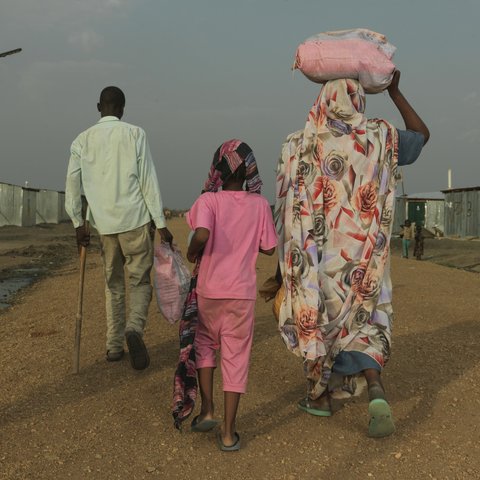
Today, the consequences are no longer lines in a ledger. Children are going hungry. Health clinics have empty shelves. Families fleeing conflict and climate disaster have nowhere safe to turn.
The UK’s cuts are the steepest of any G7 country and imposed not as global need falls, but as it soars. Conflicts are multiplying and intensifying. Climate shocks are battering communities. Hunger is tightening its grip.
Against this backdrop, the UK has chosen to pull back.
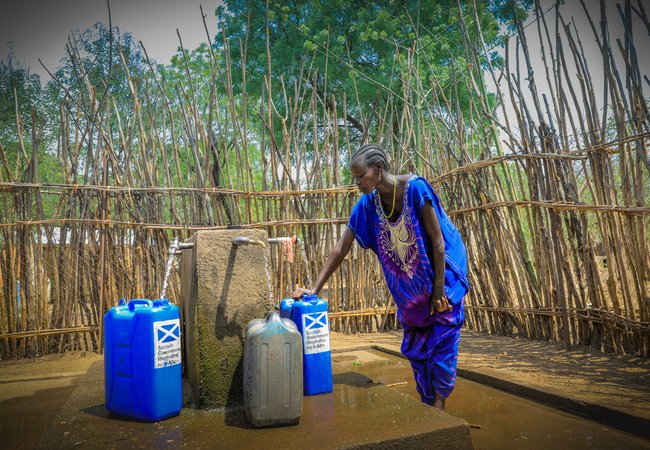
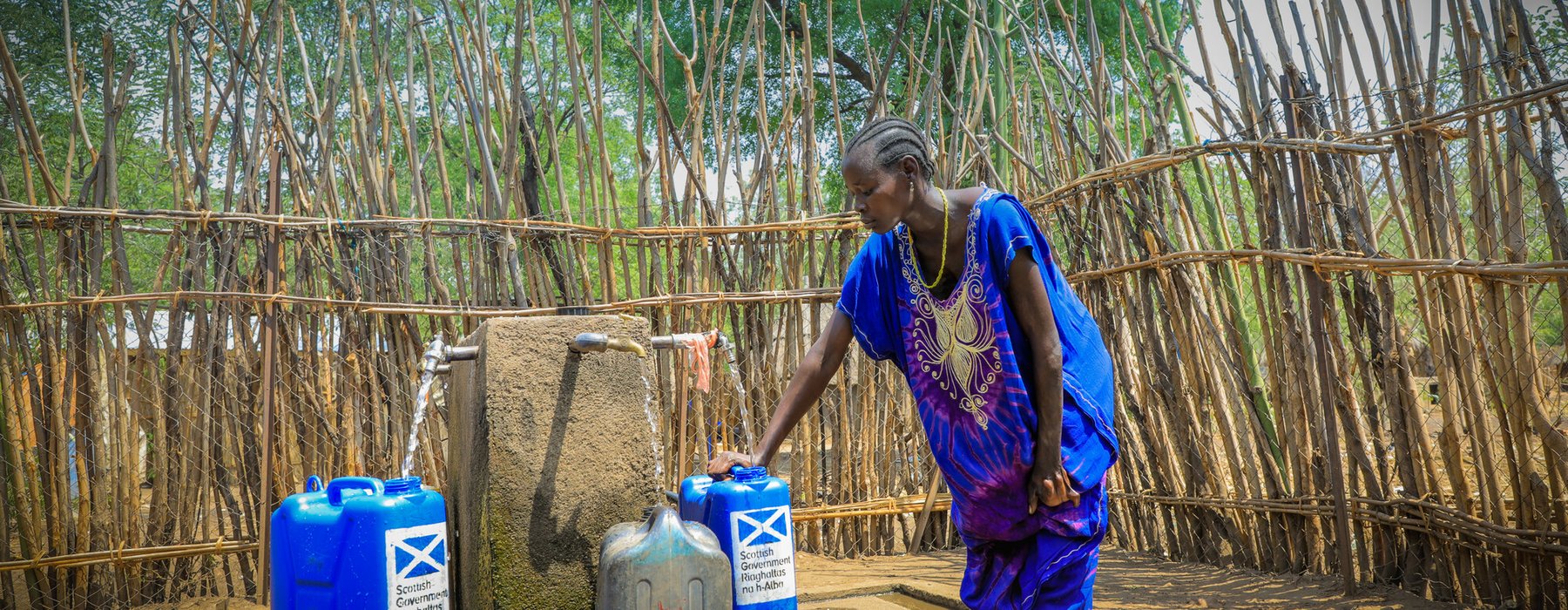
Across the world, Oxfam teams are seeing the damage unfold. When aid is cut, it is not abstract “programmes” that disappear. It is clean water in a refugee camp. A midwife in a rural clinic. A safe space for women facing violence. Food when crops fail. It is the fragile line between coping and catastrophe.
We know who is paying the highest price. The UK Government says it is committed to advancing women’s rights at home and abroad, yet its own Equality Impact Assessment confirms that women and girls, disabled people and communities already living through crisis will be hit hardest.
This comes at a deeply regressive global moment. Strongman politics is rising. Diplomacy is weakening. Military spending is being prioritised in the name of “security”. But diverting money away from food, healthcare and protection doesn’t make the world safer.
As money is channelled into defence industries, dominated by men, programmes for women and girls are cut. Women lose twice: through the loss of aid, and through spending decisions that overlook them.
This isn’t about increased defence spending or stretched public finances. This is a political choice.
A modest new tax on the soaring wealth of the very richest, just 0.04% of the population, could raise billions each year. Improving existing taxes on wealth could raise tens of billions more. Instead of asking those with the greatest resources to contribute a little more, the UK Government is forcing those with the least to pay through lost lives, lost learning, and lost futures.
International aid is not charity. It is responsibility. The climate crisis is driven largely by emissions from wealthy nations, including our own. At the same time, unfair tax systems and crippling debt repayments strip billions from low-income countries every year.
We cannot contribute to global instability and then step back when the consequences unfold.
In Scotland, we have seen a different approach with Scotland’s Humanitarian Emergency Fund held steady, enabling quick responses when disaster strikes.
But if Scotland believes in human rights and global justice, we must go further.
As Scottish political parties prepare for the coming election, they must commit to significantly increasing the Fund and to putting local communities more firmly in charge.
The UK Government can still reverse its cuts, but Scotland shouldn’t wait. In a world facing compounding crises, turning away is a choice, and we can choose differently.
This article originally appeared in Third Force News.